
Most people assume bigger is always better when going solar. A quick conversation with any of the reputable residential solar companies serving Abbotsford and the Fraser Valley will tell you something different, and it’s worth paying attention to.
Depending on your property, your budget, and where your electricity usage stands right now, starting with a smaller solar system can be the smarter, more financially sound move. This is not a compromise, but a strategy.
So if you’ve been sitting on quotes and wondering why a solar expert suggested a 3 kW or 4 kW system instead of the 8 kW setup you had in mind, this is for you.
Roof Isn't Ready for a Full-Scale System Yet
Solar panel installation requires a roof that can handle the additional load, both structurally and in terms of orientation. Installing a large solar array on a roof that will need replacement in five to seven years means you’re paying twice: once to install, and again to remove and reinstall the panels when the roofing work comes.
A smaller system on a well-oriented section of the roof makes sense here. You’re still generating clean energy, offsetting a portion of your electricity bills, and doing so without locking yourself into a costly situation.
Beyond age, system design also depends on roof angle and shading. Homes with significant tree cover or neighbouring structures blocking southern exposure may simply not be able to support a full-sized system efficiently. Solar installers evaluate this during the site assessment, and a good one will be honest with you about it.

Working With a Tighter Upfront Budget
Let’s be direct: solar energy systems are a long-term investment, and the upfront cost is real. A larger residential system in British Columbia can run anywhere from $15,000 to $25,000 before incentives. After applying the BC Hydro rebate (up to $5,000) and other incentives, the numbers improve, but they’re still significant.
Starting with a smaller system lets you reduce upfront costs while still getting into solar.
- You generate electricity from day one
- You start seeing trimmed energy costs
- You give yourself time to evaluate how the system performs (before committing to a larger expansion)
You still benefit from government incentives available in BC, including tax credits and net metering credits through BC Hydro, which let you bank surplus energy as credits on your bill.
The BC Sustainable Energy Association recognizes this phased approach as practical for households where budget constraints are real. A smaller system done right, with quality installations and proper components, will always outperform a larger system that was rushed or had corners cut to fit a budget.
Current Energy Consumption Doesn't Justify a Large System
Here’s something worth looking at before you sign any contract: your actual energy needs. Pull up your last 12 months of BC Hydro bills and add up your total kilowatt-hour (kWh) usage. Don’t just multiply one month by twelve, since seasonal variation in the Lower Mainland is significant. Heating loads in winter and AC usage in summer will skew the numbers if you only look at a single billing period.
If your annual household consumption is on the lower end, let’s say, under 7,000 to 8,000 kWh per year, a smaller solar system may cover the bulk of your daytime usage without the oversizing that leads to wasted production capacity.
Overproducing beyond what your home uses and what the grid will credit back to you through net metering doesn’t add to your savings. It just means you paid for capacity you’re not benefiting from.
Renewable energy systems should be sized to your actual load, not to a hypothetical future one. If you plan to add an electric vehicle, a hot tub, or an HVAC upgrade later, those future loads should be factored in then, either through system expansion or by planning for it in the initial system design. A reputable solar company will walk you through this math clearly
You're in a Property With Older Electrical Infrastructure
Older homes, especially those built before the 1990s, sometimes have electrical panels that weren’t designed with modern load demands in mind. Installing solar systems on properties with aging or undersized main panels requires an electrical upgrade before the solar work even begins.
A smaller solar system can sometimes work within the existing electrical capacity of the home to avoid the need for a panel upgrade at the outset. This keeps the project financially accessible while still moving the property toward energy independence. Qualified professionals will assess your panel capacity as part of the site evaluation, and this isn’t something to skip or assume.
PV panels connected to an inverter feed AC power into your home’s electrical system. If the panel can’t handle the load safely, no reputable solar tech provider will proceed without remedying that first. A smaller system that fits within your current infrastructure gets you started without that additional overhead.
You May Sell the Property in the Near Future
If you’re planning to sell within three to five years, a massive system comes with a longer payback period than you’ll personally see.
- A smaller system installed by solar installers with proper documentation, permits, and clean workmanship still adds tangible value to the property.
- It still demonstrates a commitment to sustainable energy solutions, and future buyers in markets like Abbotsford, North Vancouver, and the surrounding Fraser Valley understand what they’re getting.
- The environmental impact benefit is real for the buyer, too. They’re inheriting a home that already produces some of its own power and reduces reliance on traditional energy sources and fossil fuels.
Not Ready to Commit to Battery Storage Yet
Battery storage solutions increase the overall cost of a solar installation. If you’re not ready to make that jump or you’ve determined that BC Hydro’s net metering program serves your needs adequately for now, then a smaller grid-tied system makes complete sense for now.
Grid-tied systems without batteries are simpler, more affordable, and low-maintenance. You:
- Generate electricity during daylight hours
- Feed excess electricity back to the grid for credits
- Draw from the grid when your panels aren’t producing.
Store excess energy physically through batteries comes later, if and when it makes sense for your situation. Basically, battery systems aren’t an immediate requirement. Renewable energy sources like solar work effectively within BC’s net metering framework. You don’t necessarily need batteries to start seeing real savings.
What "Smaller" Really Means in Abbotsford's Solar Context
A smaller residential system typically falls in the 3-5 kW range. In Abbotsford, a 1 kW system generates approximately 996 kWh annually, according to a solar guide in British Columbia Solar. This means that a 4 kW system produces roughly 3,984 kWh per year under average conditions.
How About the Solar Power Output in Abbotsford?
It also benefits from the city’s seasonal sun exposure. The Fraser Valley gets solid summer production, and even winter months provide enough daylight for meaningful generation. Solar technology has advanced significantly. Today’s high-efficiency monocrystalline panels produce more (around 18 to 24% of sunlight into electricity) per square foot than older generations, which means fewer panels are needed to hit your target output.
What to Look for When Starting Small
If a smaller system is the right first step for your property, here’s what to focus on when choosing who does the work:
- Expandability: Make sure the inverter and electrical setup are sized to accommodate future panel additions. A solar company that installs a system with no upgrade pathway is selling you a dead end.
- Component quality: A smaller system built with Tier-1 panels and a quality inverter will outperform a larger system with cut-rate components. This directly affects your long-term savings.
- Permits and documentation: Renewable energy solutions require proper permitting in BC. Any installer skipping this step creates headaches at resale time.
- Monitoring: You should be able to track your system’s output in real time. This is how you confirm the system is performing as expected and catch any issues early.
- Maintenance clarity: Ask about maintenance solar panels schedules and what’s covered. Solar energy systems are known for minimal maintenance, but you still want to know who to call if something underperforms. Reliable maintenance services keep your solar panel efficiency rating at peak.

Starting Small Is a Decision, Not a Limitation
Installing solar panels on a smaller scale doesn’t mean you’re settling. It means you’re being thoughtful about energy efficiency, your property’s current state, and your financial position. BC solar adoption is growing fast across the Fraser Valley, and the homeowners who approach it strategically tend to see the strongest returns.
The best solar companies, like the Abbotsford Solar Installation, will always remind you that:
A well-matched system, sized correctly for your current situation, with room to grow, is a better outcome than an oversized installation that stretches your budget and underdelivers because the roof, wiring, or consumption patterns weren’t ready for it.
Solar tech keeps improving, and here’s what that means for you going forward:
- Technological advancements in panel efficiency and battery storage solutions mean adding capacity in the future becomes easier and more cost-effective over time.
- What you install today is a foundation: reducing greenhouse gas emissions, lowering your carbon footprint, and moving your home toward clean energy production from day one.
The right solar company isn’t the one pushing the largest system. It’s the one asking the right questions first. Commercial systems and large residential setups have their place, but so does starting smart.
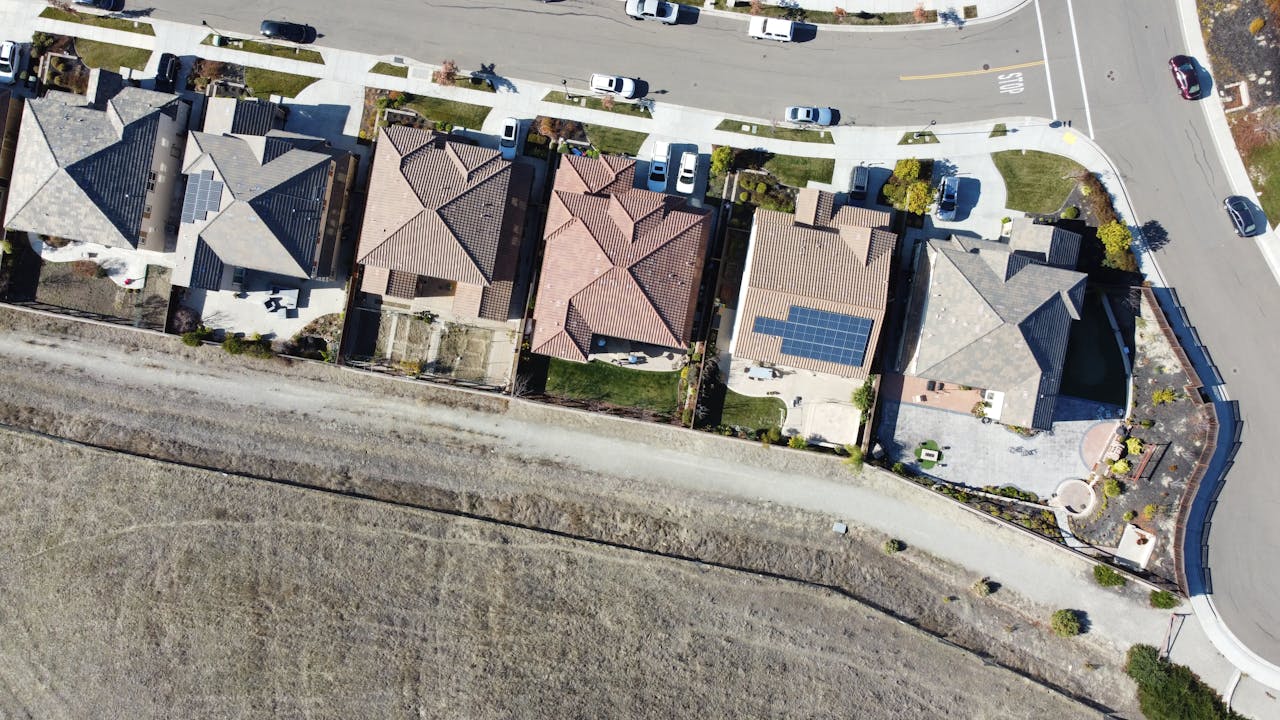
Ready to Figure Out the Right System Size for Your Abbotsford Home?
You don’t have to commit to a massive system to start seeing real results. If you’re a first-time solar buyer or returning to reassess an earlier quote, the team at Abbotsford Solar Installation is here to give you a straight answer. Let’s assess your roof, your BC Hydro usage, and your budget, so we can recommend what makes sense for your property. Energy-efficient homes start with honest conversations.
Frequently Asked Questions
Does a small solar setup work for remote locations?
Yes. Remote properties without reliable grid access benefit greatly from a small solar setup paired with battery storage. It provides a stable, independent power source without the cost of extending utility lines.
What is the best size solar system for a house?
Most homes land between 5kW and 7kW, but that number shifts based on your daily energy use, available roof space, and budget. If you’re planning to add an EV or new appliances down the road, factor that in before deciding on a size.
What do I need for a small solar system?
At a minimum, you need panels, an inverter, racking to mount everything securely, and a monitoring setup to track performance. Adding a battery is worth considering, but not mandatory, in areas where net metering isn’t available, giving you stored power to draw from when the sun isn’t out.


